Thursday, 9 December 2010

Plausable effects


These four pictures of the same saucepan with water inside are example of the plausable effects that Disney used to have, the top left picture is of steam coming from the pan, but the plausable effect makes it look like a puff of smoke from a dragon's fire.
The top right picture is of bubbling water, but the plausable effect makes it look like a volcanic eruption.
The bottom left picture is of bubbling water again, but this time simmering, the plausable effect makes it look like the rough waves on the open sea during a terrible storm.
Finally the bottom right picture is of water droplets splashing into the saucepan, but the plausable effect makes it look like raindrops splashing in puddles.

Wednesday, 24 November 2010

CALL SHEET No:
Title of shoot:
The Plausible Impossible

Name of student:
Samuel Martin

Date of shoot: next week

Time of shoot: various

Location details/directions:
At the college Science rooms or somewhere in the Media Department

Props:
Everyday objects to create the effects of the impossible

Talent:


Description of location: (Please explain what the picture is about)
The picture is about the Plausible Impossible, something that Disney used to do when they were doing their shorts and their feature length animation films, they drew many of the impossible things by photographing drips of milk splashing into the saucer to create the effect of raindrops and another plausible by photographing a thick mixture bubbling to create volcanic eruptions.


Lighting, Daylight or Artificial light:
Artificial lighting, two of them to see everyday objects doing the impossible.


Additional information about how the photo will be shot: Filters, Tripod, Fast slow shutter speed etc:
Fast and slow shutter speed is very essential for this project to work.
Tripods might be useful to photograph the impossible at certain heights or lower positions.
I may need filters for a certain effect that is also impossible.

Equipment needed:
Everyday objects.
Tripods.
Lighting.
Close-up lens.
Digital cameras.
Flash.

Wednesday, 17 November 2010

In Motion

Motion:

My idea for my photography would be the implausable effect, the same effect that Disney used it do it, when the animator tried to take photos of the impossible like a simple splash from a drop of milk, being animated into a crown or into a raindrop.
Treatment Photography

1. Type of production and brief details on Subject/Concept:

Implausable: The Implausable is a method of doing almost the impossible, Disney had done it by photographing a single splash of milk in stop motion, it would look like as if it's a raindrop.

2. Facilities: What facilities do you need for this project list all including software and hardware for the whole project

I may need a small studio with fast shutter speed cameras to capture the milk drop falling into the bowl in slow motion, to make the raindrop affect.

3. Finance: If you produced this project outside of the college you need to show how much would it cost to hire the equipment that you intend to use.

I intend to use four shutter speed cameras from each side of the subject and three lights shining on thew subject, four shutter speed cameras and three studio lights would cost at least four to five thousand pounds.

4. Contributors: Who do you need to help this for you project? This includes talent and crew.

I may need some temporary help for the effects of the Implausable, as to who? Well it doesn't matter to me.

5. Codes of practice and regulation: What regulations to you need to be aware of. Think about college policy as well as regulatory bodies that you looked at in assignment 2, Worksheet 1.6 Regulation and Safety notes.

If there's any copyrights for Disney's Implausable special effects, do I need to buy royalty earnings from them to proceed further and do I need to take the health and safety regulations of 1992 policy into account.

6. Presentation: How will you present the pictures? Will you include a soundtrack, think about copy write issues etc.

I'll present my pictures by using the notice board as a photography gallery, or maybe I could use a soundtrack from one of Disney's movies, once again I need royalty earnings and special copyright licenses to see this project through.

rules and regulations

• What is Royalty-free license by Wikipedia
• What is Rights Managed license by Wikipedia
• About Copyright by Wikipedia
• About Moral rights by Wikipedia


A royalty free license is a copyright license where the user has a one time right to use the photos without restrictions, the users can therefore use the image for several projects without having to purchase an additional license.

Rights Managed is a copyright license which, if purchased by a user, allows the one time use of the photo as specified by the license. If the user wants to use the photo for other uses an additional license needs to be purchased.


Copyright is a set of rights being granted by the law of a jurisdiction to the author or creator of an original work, including the right to copy, distribute or adapt the work.
Exceptions and limitations to these rights strives to balance the public interest in the wide distribution of the material produced and to encourage creativity.

Moral Rights are rights of creators of copyrighted works generally recongnized in civial law jurisdictions and, to a lesser extent, in some common law jurisdictions.

Wednesday, 3 November 2010

Exterme close-ups


This is an exterme close-up of a tiny drip of water on a CD disk with a small light refracting the from the disk, if you look at it long, you'll see that it looks like a diamond.

Thursday, 14 October 2010

portraiture, fashion and art

Application:

The word Art means to me is expression of a person's tormented soul, expressing his emotions and feelings on a canvas, some artists can be exentric sometimes, not to mention creative in what skill of art they're good at, like photography for example, artists using photographic images for a masterpiece are considered to be geniuses, some artists photographing decisive moments is also another form of a masterpiece because it allows the viewer to see a world that we couldn't see before but is captured by the eyes of the artist or photographer, in most companies.

Name of Art Photographers:
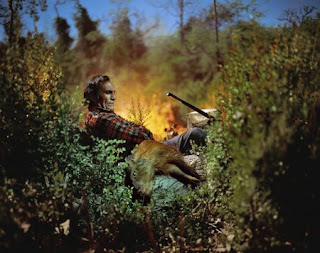
Alejandro Chaskielberg: At 18, Alejandro had been shooting political assignments for magazines and local newspapers in Buenos Aires, but soonn he became frustrated with the creative limitations of press photography.
After years of studying the violin and working as a musician, he returned to imagemaking by working a s a cameraman on public television documentaries,he took photos of the wilderness, wild swamps and tropical rivers in South America's Congo River, next door to Brazil.

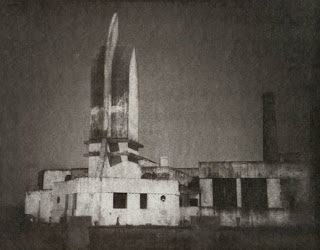
Esteban Pastorino Diaz: Her style is photographs of buildings being edited to look like black and white photographs in the 1900s, although they don't look like it, they are modern buildings with bits of rust, grime, cracks, nooks and crannies to make her photos have an effect of looking like as if it really came from the 1900s.

Alec and Carmen Soth: A father and daughter duo pair of photographers stroll around their hometown for a few hours each day, Carmen photographed rubbish on the beach, postcards on racks and the ground, often her sparkly red shoes in the shot, but after a while, she ran out of steam so her father decided on certain subjects to look for, among them were pushchairs and balloons as the project started to take shape.

Conceptional Photography:
My understanding of Conceptional Photography would be the idea of making your photo abstract, taking a photo of your chosen scenery or chosen subject in real life would be just an ordinary photo, but if you take a photo and altered it by making it look like something that no one has seen before, then your photo would be abstract.
Alec and Carmen Soth both made abstract photos by taking pictures of various subjects with bits and piece sof rubbish on the lens to create an sbstract effect of shadow and light art photograpghy work.

The images of Alejandro and Estsban are special and unique in every way, Alejandro's photo style of everyday life in South America's Congo River is of people working, fishing, hunting, selling sugar cane plants and how they get about.
Esteban's photo style is very simple because altering the colour patterns on her photos gives it an effect of it being taken by an old fashion camera in the 1900s, each style of each of these photographer's photos are outstanding.

Contexts:
The surroundings of Alejandro's photos from the Congo River in Brazil make such of an accurate window to what goes on everyday in South America, letting us see how the people live and thrive in such a hostile wet environment by selling sugar cane plants, as for the surroundings in black and white photos, the images there make such of a wonderful effect of the good old days style in the modern day, in other words, the 1900s gets shift into the year 2010.
The images are just pinned onto a board because framing is too expensive and too flashy for a bunch of photos, Alejandro's pictures are pinned onto a white piece of cardboard because the white with plenty of colour in the middle makes the photo stand out pretty well for viewers, as for Esteban's photos, she put her photos on a grey background where her black and white photos could be noticed and reconistioned f0r it's style in the 1900s.

Technique:
Alejandro's photos are reached to an audience because his style of photography involves a foreign land, South America is rather interesting because it's every child's dream to be an explorer, exploring wild swamps, tropical rivers and untamed wilderness with so many wierd and unusual creatures lurking about, Alejandro really captured the moments of each and every day in the Congo River, also it tells everyone what life is like out there and how people there survive in such very wet, very wild hostile territories.
Esteban's photos are reached to an audience because her style of photography invovles modern buildings with old bits and pieces of nooks and crannies, which are overlooked by builders or have been forgotten for a long time, Esteban's idea for these modern buildings with old bits all over them is to make them look even older by altering the colour structure of her pictures and make them black and white, something like a real photo being taken in the 1900s, except for the ten minute development and the sideplates.
Each of these pictures being printed came through a studio's projection by using a special machine to print photos onto photo paper, the photos being printed onto the paper is a special paper that feels thicker then paper and it's shinier than paper.


Alejandro Chaskielberg: The Hunter
Esteban Pastorino Diaz: Francisco Salamone